

In healthcare meetings, some venues are losing business long before pricing discussions even begin.
Not because of infrastructure or location, but because planners are increasingly evaluating something less visible: operational confidence.
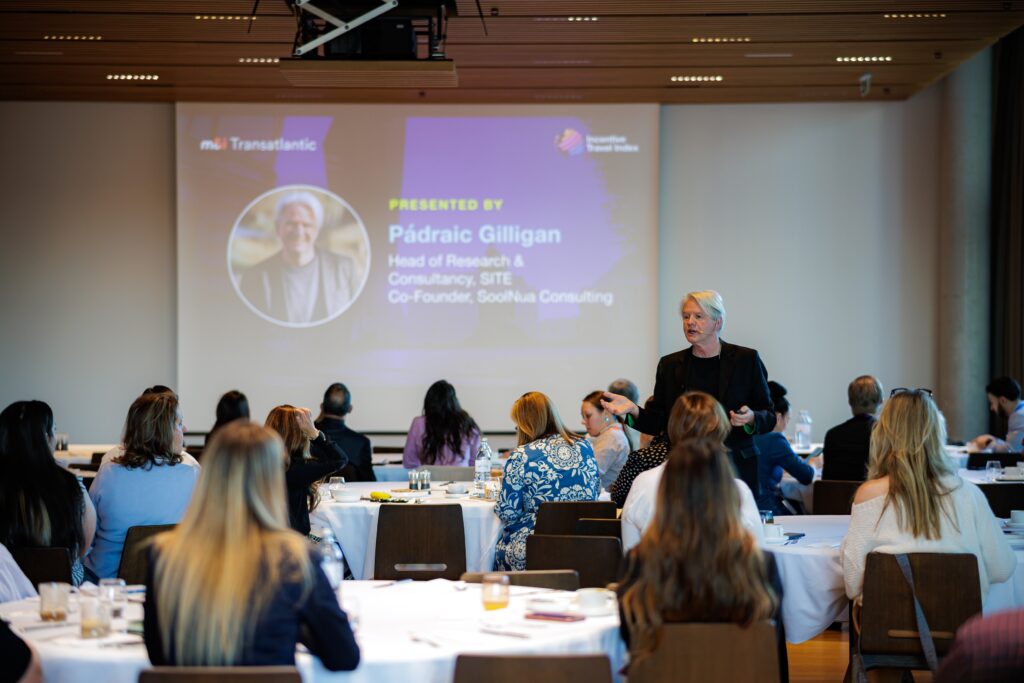
That was one of the clearest themes to emerge from a recent MCI Healthcare webinar, organised by MCI and chaired by Simon Beard, Healthcare Event Specialist, 3Sixty Event Consulting, which explored how healthcare venue sourcing priorities are evolving across the industry.
The webinar brought together speakers from procurement, venue sourcing and healthcare event management, including Andrew Hoag, Procurement Category Manager for Meetings, Incentives, Congresses C HCP Engagement, Biogen, Noga Sapir, Founder C CEO, NBS Global Venue and Larissa Steinbäcker, Co-CEO, Proske.
Together, they examined the operational realities increasingly shaping venue selection, and why traditional assumptions around price, hotel category and location are no longer enough on their own.
The discussion repeatedly highlighted a mismatch between what venues often promote and what healthcare planners are actually prioritising.
One of the clearest messages from the webinar was that healthcare venue sourcing is becoming far more operationally and experience-led than many suppliers realise.
Service quality, responsiveness and sector understanding consistently emerged during the discussion as stronger drivers of repeat business than many traditional commercial incentives.
Speaking during the webinar, Andrew Hoag of Biogen said this reflects a broader shift in how procurement teams define value.
“Price is not always the number one deciding factor,” he explained. “A modern
procurement organisation is searching for best value for money, not lowest cost.”
That distinction became a recurring theme throughout the session.
Rather than focusing solely on achieving the lowest possible rate, the speakers discussed how planners are increasingly evaluating how effectively a venue supports the wider operational realities of a healthcare meeting. Responsiveness, consistency and ease of collaboration are becoming equally important parts of the decision-making process.
As Hoag noted during the discussion:
“The easier and less friction you can introduce into those early stages, the better.”
The implication was difficult to ignore: operational ease is increasingly being treated as part of the venue offering itself, not simply an added benefit.
The webinar also revealed a growing disconnect between what venues often highlight in sales conversations and what healthcare planners actually value once sourcing begins.
While infrastructure and location remain important, repeat business is increasingly being shaped by operational understanding and confidence navigating healthcare-specific requirements.
For Noga Sapir of NBS Global Venue, sector knowledge is often what determines whether a venue becomes a long-term partner.
“When I speak with hotels and they immediately understand meal caps, transfer of value requirements and pharma compliance, it makes our lives much easier,” she explained.
Importantly, the speakers reinforced that this understanding cannot sit solely within the sales team. Operational alignment across the wider hotel team increasingly influences planner confidence and long-term collaboration.
The conversation suggested that healthcare knowledge is no longer simply a niche capability. Increasingly, it is becoming a competitive advantage.
Venues are no longer being assessed purely on facilities or pricing. More and more, they are being evaluated on how effectively they reduce complexity throughout the planning and delivery process.
One of the more revealing webinar discussions centred around the assumption that higher-rated hotels automatically create higher value.
Several speakers challenged that idea directly.
“I would rather work with a very well run three-star hotel than a poorly run five-star hotel,” said Hoag during the session.
The comment reflected a broader operational reality within healthcare meetings. Planners are often balancing governance frameworks, attendee scrutiny, budget controls and compressed timelines simultaneously. In that environment, reliability frequently carries more value than presentation alone.
Larissa Steinbäcker of Proske also spoke during the webinar about how service quality becomes the deciding factor once logistical requirements have been met.
“Once you have your logistical needs in check, the deciding factor is always quality and experience,” she explained.
Steinbäcker also highlighted the growing importance of longer-term venue relationships through master service agreements and multi-year partnerships, helping planners reduce contracting complexity while embedding governance expectations from the outset.
The discussion challenged another long-standing industry assumption: that venue category alone determines perceived value.
Another important insight from the webinar was that many sourcing challenges originate before venue selection itself.
Several speakers discussed the disconnect between what stakeholders initially request and what they operationally require once planning begins.
Sapir explained that this is where specialist venue sourcing expertise becomes particularly valuable.
“Our role is to find the right hotel for the right client,” she said. “Sometimes clients ask for one thing, but operationally another venue is the better fit.”
She described examples where clients initially requested five-star properties but ultimately selected more operationally flexible four-star hotels because those venues demonstrated stronger understanding of healthcare requirements and greater willingness to accommodate complex requests.
The webinar also highlighted how poor responsiveness from venues continues to affect conversion rates.
“If one venue does not reply correctly several times, we remove them from the process”, Sapir noted.
The discussion suggested that responsiveness is increasingly becoming a filtering factor rather than simply a service differentiator.
The webinar also revealed growing frustration around poorly prepared supplier interactions.
For Hoag, one of the clearest warning signs is entering conversations where venues have done little preparation around the client itself.
“When the first question is, ‘What does Biogen do?’ I already know the meeting is going downhill from there”, he said during the webinar.
Instead, the speakers discussed how planners increasingly expect venues to understand:
Hoag also stressed the importance of venues treating external partners as extensions of the client team rather than disconnected third parties.
“We have brought them in because they have specialist expertise we need to execute the meeting correctly”, he explained.
The broader message throughout the webinar was clear: healthcare planners are increasingly looking for operational partners, not simply venue providers.
The webinar reinforced that healthcare venue sourcing is becoming more structured, more operationally focused and more collaborative.
Knowledge of healthcare requirements, operational flexibility and proactive partnership are increasingly becoming baseline expectations rather than differentiators.
At the same time, planners are placing greater importance on consistency, transparency and ease of collaboration throughout the sourcing and contracting process.
The discussion also made something else clear: many of the factors now influencing healthcare venue selection are not immediately visible on a venue factsheet or rate card.
As healthcare meetings become more scrutinised and operationally demanding, the venues and partners that reduce friction, understand context and support decision-making beyond the contracting stage are likely to become increasingly valuable.
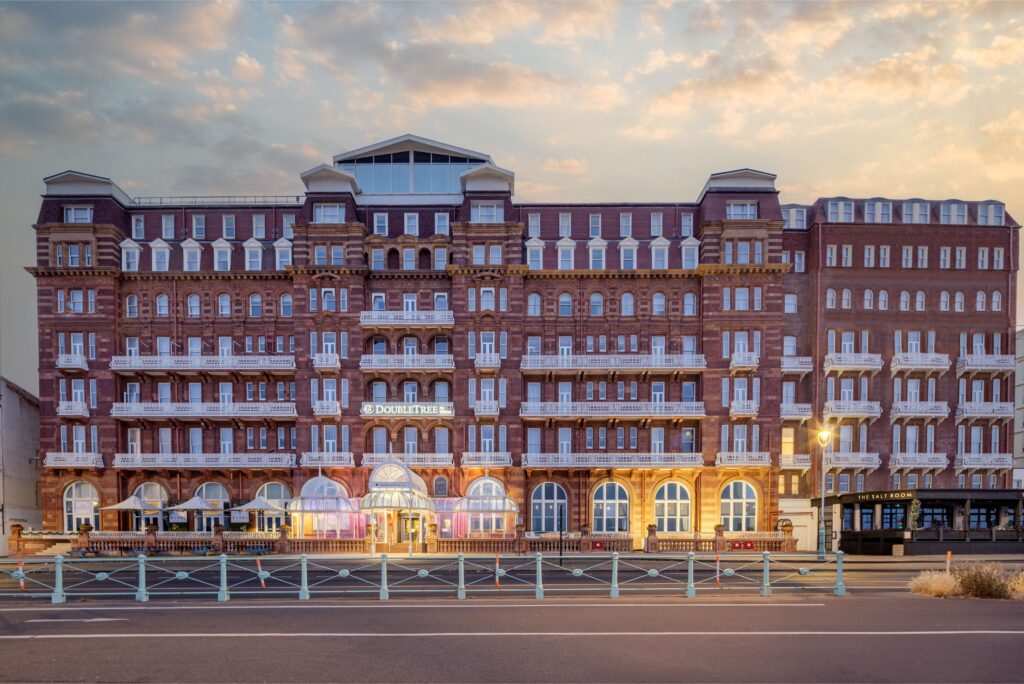
These are also the kinds of operational conversations continuing across the industry at events such as MCI Healthcare Brighton, where healthcare event professionals, suppliers and specialists come together to discuss the realities shaping the sector today.
Register your interest for MCI Healthcare Brighton 2026 here: MCI Healthcare Brighton registration
Due to the current situation in the Middle East, M&I Expo will now take place on 5-7 April 2027.
5-7 April 2027 | Abu Dhabi
UK & European buyers
17 - 20 Jun 2026 | Sweden
Grow your MICE network in Sweden’s premier destination
American buyers
30 Aug - 2 Sept 2026 | USA
Grow your MICE network in the USA’s premier destination

Due to the current situation in the Middle East, M&I Expo is unable to take place as scheduled.
The security and wellbeing of our attendees, partners and team remain the primary focus. Whilst disappointing, the current circumstances mean that proceeding with the event is not possible at this time.
New dates for M&I Expo have now been confirmed: 5-7 April 2027.
We look forward to welcoming the community together then and continuing to support the industry through meaningful connections.
Thank you for your understanding and continued support.
If you have any questions regarding this update, please don’t hesitate to contact your Account Manager, who will be happy to assist.
Open your property up to a new range of events and opportunities by taking advantage of an online assessment created by our event partner, Healthcare Venues, which will determine if your venue is capable of hosting healthcare meetings and events.
If your property passes, you’ll receive Healthcare Venue certification, verifying you to our buyer network as a specialist healthcare venue.

Tim Chudley
Managing Director, Sundial Group